Explain the Differences Among Mild Moderate and Severe Concussions
Concussive injuries may or may not include a loss of consciousness but do involve at least an. Learn how long concussions last and when you can expect.
Wilderness Medicine Training Center S Blog
A person with a possible TBI should be seen by a healthcare provider.

. Severe major depression is classified as having the symptoms of mild to moderate depression but the symptoms are severe and noticeable even to your loved ones. A mild concussion is 30 minutes or less of memory loss and less than 24 hours of concussion symptoms. The earliest scales for grading the severity of both cerebral concussion and TBI relied on vague descriptive terms mild moderate and severe that could not be quantified.
Mild intellectual disability moderate intellectual disability severe intellectual disability and profound intellectual disability. Mild is headaches moderate is slightly impaired and severe is cant remember things. A moderate concussion is 24-30 hours of memory loss less than a minute of unconciousness 1-7 days of post concussion symptoms.
Combining the resources of the Colorado Medical Society CMS the AAN the AANS high school and college coaches and sports medicine organizations a grading scale for. Contusions and may more severe and long-lasting effects than mild concussions. Moderate TBIs are cases where the person is unconscious for 30 minutes to 24 hours and has memory problems for up to seven days.
As seen in Table 1 mild TBI is historically based on Glasgow Coma Score GCS while concussion is a clinical syndrome that may overlap with mild moderate and severe TBI. Their symptoms can last anywhere from a few days to a few months depending on severity. And a person with a moderate or severe TBI may have long-term or life-long effects from the injury.
There are different levels of severe brain injuries depending on the severity of the accident. Severe TBIs have a range of cognitive speech sensory physical social and. The brain to bounce around or twist in the skull.
Symptoms of a mild brain injury can last up to a year and can include depression fatigue dizziness chronic headaches irritability and memory loss. Finally severe TBI is accompanied by loss of consciousness for over 24 hours and memory loss for more than a week. Concussions are a type of traumatic brain injury.
A bump blow or jolt to the head or. They can be caused by a severe blow to the head or a penetrating injury like a bone from a fractured skull or a bullet. 1 A mild TBI or concussion is caused by.
A severe concussion is more than 24 hours of memory loss more than one minute of unconciousness and more than 7 days of post. These concussions are often accompanied by internal bleeding in or near the brain ie. Chemical changes in the brain.
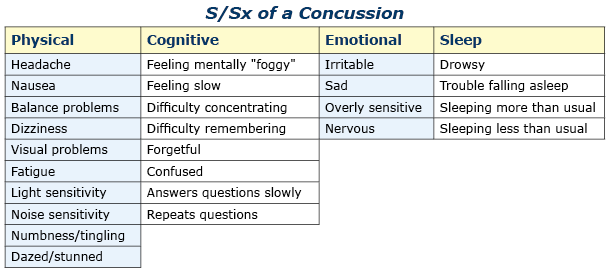
Usually pain on the opposite side of hit headaches memories memory loss vision impairment. Explain the differences among mild moderate and severe concussions. In order to proceed with a discussion of mild TBI and concussion one must establish working definitions as mild TBI and concussion are often used interchangeably.
Closed TBIs occur without any open injury opening to the skull. Affects from a concussion can range from mild to severe and may include one or more of the. An open TBI refers to an injury where the skull is damaged and there is an opening in the bone.
Mild Moderate Severe Intellectual Disability Differences. Moderate TBIs can lead to permanent mental and physical disabilities. Severe Concussions Grade 3 A concussion may be considered severe or a Grade 3 concussion if it.
By a hit to the body that causes the head and brain to move quickly back and forth. The symptoms of a Grade 2 concussion may last for longer than a Grade 1 concussion. Colantonio A Harris JE Ratcliff G et al.
Both terms are used when a person experiences a change in normal brain function for no longer than a minutes following trauma. The degree of impairment from an intellectual disability varies widely. Concussions are usually not life-threatening but their effects can be serious.
This sudden movement can cause. For example a person with a mild TBI or concussion may experience short-term symptoms and feel better within a couple of weeks or months. Brain injuries are classified as mild complicated mild moderate or severe depending on the injury characteristics within minutes to hours of an injury.
A concussion is often referred to by doctors as a mild TBI. Experts divide the types of cognitive impairment into four categories. Moderate to severe TBIs are more serious injuries than concussions.
Over the past 30 years a number of experimental models of traumatic brain injury TBI have been developed to study various aspects of TBI in humans. Concussions are also known as mild traumatic brain injuries. Most TBIs that occur each year are mild TBIs or concussions.
Explain hoe the anatomy of the skull protects the brain. Gender Differences in Self Reported Long-Term Outcomes Following Moderate to Severe Traumatic Brain Injury. There are essentially three levels of brain injurymild moderate and severe.
A mild brain injury or mild concussion can result in temporary mental changes for less than 30 minutes. This area of research originally focused on adult animal models of moderate to severe brain injuries and these models have significantly contributed to our understanding of the biomechanics and neurochemical changes that occur.

What Is A Concussion Symptoms Causes Ccmi

Concussion Bulkley Valley Brain Injury Association
Pin On Infographics


Comments
Post a Comment